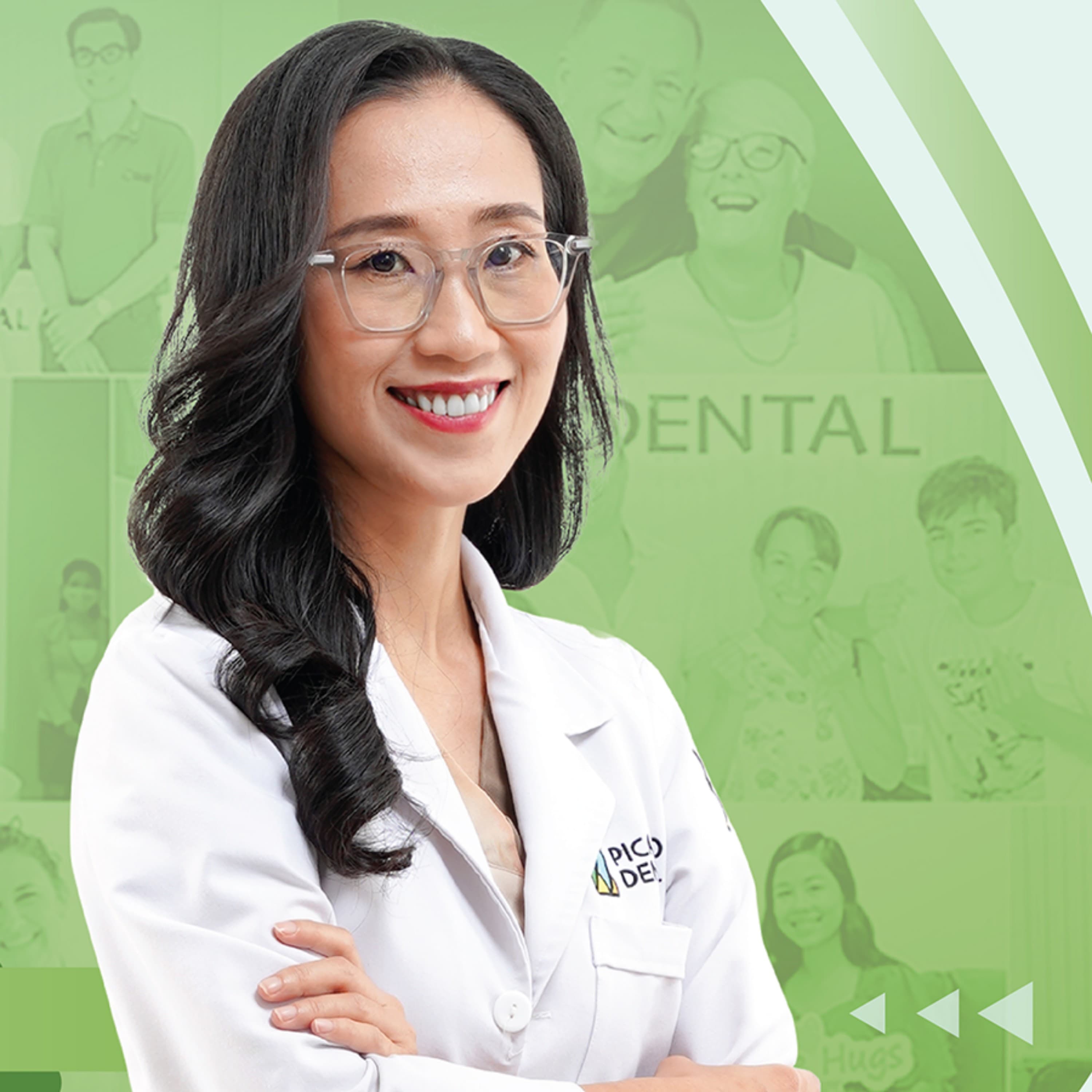
The Science Behind Dental Implants
Dr. Emily explains the fascinating process of how dental implants work, from the unique properties of titanium to the stages of healing and integration. Learn why implants are so successful, what makes them different from other options, and what to expect during recovery at Picasso Dental Clinic.
This show was created with Jellypod, the AI Podcast Studio. Create your own podcast with Jellypod today.
Get StartedIs this your podcast and want to remove this banner? Click here.
Chapter 1
The Basics of Dental Implants
Dr. Emily
Hi, I'm Dr. Emily from Picasso Dental Clinic and today, I'm tackling a question I hear at least twice a day: how do dental implants actually work? So, let’s cut right to it—dental implants are the closest thing we have to real tooth roots. They’re not just placeholders; they literally fuse with your jawbone and give you a stable, lasting foundation for your new teeth. Now the real magic ingredient here is titanium. And—I get this all the time—patients worry, is my body gonna reject this metal? Maybe you’re picturing your body treating it like a splinter. But titanium is... well, it's special. It’s what we call ‘biocompatible’, meaning your immune system just sort of shrugs and accepts it. In fact, bone cells actually grow along and onto the titanium surface in a process called osseointegration. Honestly, it still blows my mind after all these years.
Dr. Emily
I had a patient from Japan, actually, who flew in just for this reason. She was really worried—she’d heard stories of rejection, allergies, all that. But dental implants, particularly with titanium, have a success rate above 95%—and that's because your body barely bats an eye at it. When her implant healed, I remember she said, “Now it really feels like it’s part of me.” And that’s exactly how it's meant to be! There are other materials out there—ceramics, or older metals like stainless steel, but honestly, they just don’t integrate with bone the same way. That’s why we always circle back to titanium.
Chapter 2
Step-by-Step Implant Procedure
Dr. Emily
So, how do we actually get that little bit of titanium into your jaw? Let’s walk through it step by step. First things first—we need a clear space. Sometimes that means removing a damaged tooth. You can't build a house on a dodgy foundation, right? Once the site is prepped and healed—sometimes we even place the implant right after the extraction—we move to surgery. It’s a small incision in the gum, then we make a hole in the bone, precise as can be, and insert the implant, which looks like a tiny screw. I always tell my patients, “Think of it like putting a wall anchor up, only your bone grows around it instead of just sitting there.”
Dr. Emily
The implant post isn’t just smooth, by the way. It’s covered in microscopic threads and may have a slightly rough surface. That’s by design—it gives your bone more to grab onto, encouraging quick and solid integration. Then—here’s where a lot of my patients get real impatient—we wait. This phase, osseointegration, usually lasts three to six months. I had this Australian chap recently, quite anxious, kept asking how he’d know if it was working. The truth is, you won't feel much at all! It’s happening on a microscopic level—your bone cells slowly locking the implant in. We just check progress with x-rays and watch for that increasing bone density.
Dr. Emily
During that time, don’t worry—you’re not walking around with a gap in your smile. At our clinics in Hanoi and Ho Chi Minh City, we set you up with a temporary solution, whether that's a little denture or a provisional crown. It looks good, but most importantly, it keeps pressure off that healing implant. Patience is tough at this stage, but it’s everything. After the bone’s healed, back you come and we pop on something called an abutment. That’s the connector between the implant and your final crown. Slot it in, give it a week or two to heal, then fit your new tooth on top. Done.
Chapter 3
Longevity, Health, and Living with Implants
Dr. Emily
Now, what I love most about implants is they’re not just a “fix-it-and-forget-it” thing. They’re built to last, to keep your jawbone stimulated and healthy, which is something bridges and dentures simply can’t do. Since 2013, we’ve seen this over and over—bone stays solid, and your face shape holds up. But, and this is the big caveat, a few things can trip you up: if your bone density is low, we might need a bone graft. Health conditions—uncontrolled diabetes, osteoporosis—they slow healing and make things trickier. And I’ll say it every day if I have to—smoking is a big risk factor. It reduces blood flow and can send your success rate straight down.
Dr. Emily
Here’s something people are surprised to learn—implants don't have that same “feedback” as natural teeth. Your originals have little ligaments that sense pressure, so you don't bite too hard. Implants are fused directly to bone, so you lose a bit of that sensitivity, but most people adapt without thinking about it. Oh, and a quick myth-buster—the implant is just the root replacement. The crown up top? That’s the visible tooth. So if the crown chips, stains or just needs a refresh years later, we can replace it without touching the actual implant in your jaw.
Dr. Emily
The simple beauty of dental implants is in their reliability. Titanium is about as close to permanent as it gets—decades, sometimes the rest of your life, if you look after it. Brush, floss, see your dentist, and you're sorted. The science behind it might seem high-tech, but nature’s doing all the heavy lifting. And that’s something we see working for thousands of people from all over the world, right here in Vietnam.
Dr. Emily
If you’re thinking implants could be the answer for you, come by Picasso Dental Clinic—Hanoi, Da Nang, Ho Chi Minh City, Da Lat, wherever suits you. I love seeing that confidence return when people realize their new tooth is truly theirs, rooted in their own smile. Thanks so much for tuning in, and next time, I’ll dive into what recovery really feels like after implant surgery. Until then, look after your teeth!